
Hybrid Revival and Moderate Market Growth
Contrary to pessimistic forecasts, the U.S. automotive industry delivered a stronger-than-expected performance in 2025. At the beginning of the previous year, experts had predicted that factors such as high interest rates, rising vehicle prices, and inflationary pressures would push the U.S. auto market into recession.
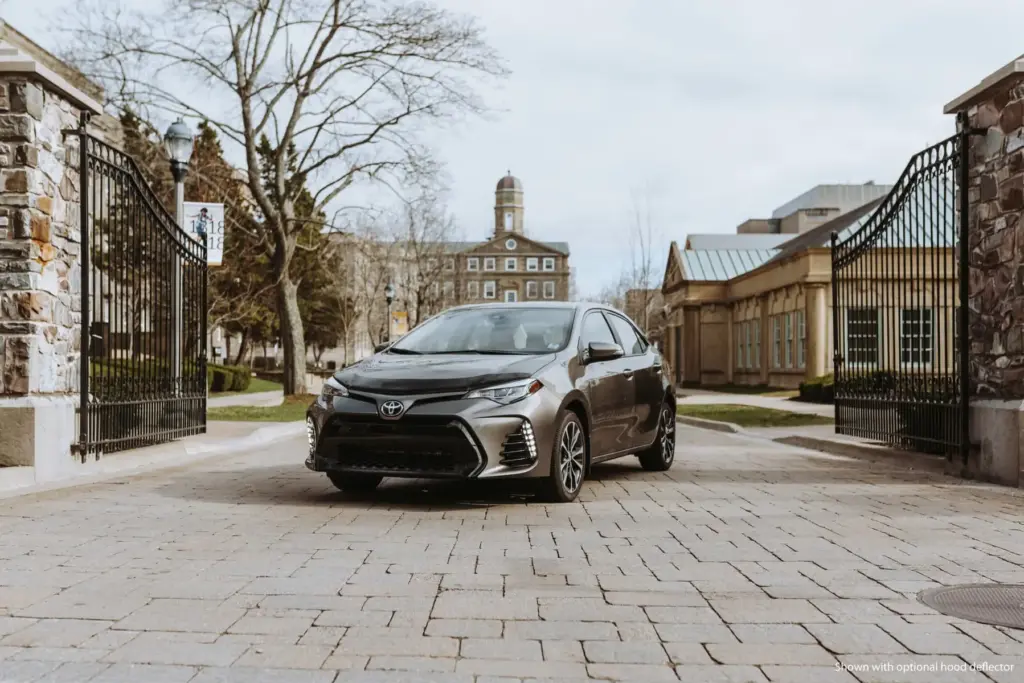
Final data, however, show that U.S. light-vehicle sales grew by nearly 2% in 2025 compared with 2024. The year 2025 marked the strongest period for vehicle sales in the United States since the COVID-19 pandemic in 2019. Sales figures reflect sustained consumer demand, while vehicle production estimates in the U.S. stood at around 10 million units. Overall, American automakers experienced production stability throughout 2025.
Battle of the Giants: General Motors Remains on Top
In the intense competition among automakers for the title of the best-selling brand in the U.S. market, General Motors retained its leading position by delivering 2.85 million vehicles to customers. This success was largely driven by strong sales of GM’s pickup trucks and SUVs.
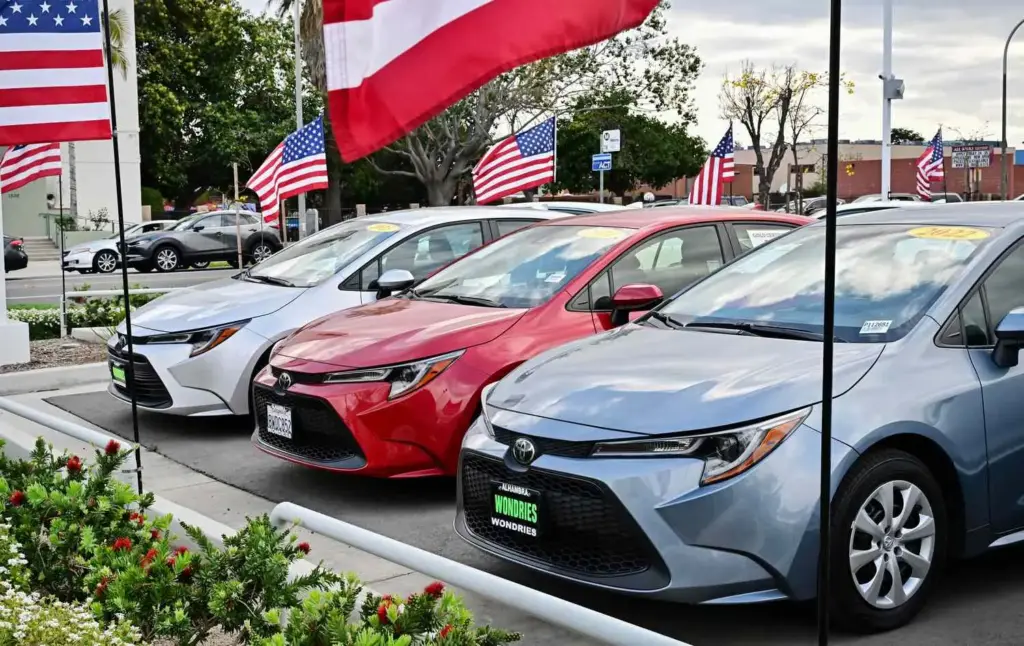
Toyota, meanwhile, narrowed the gap with GM by achieving 8% sales growth and delivering more than 2.5 million vehicles. Toyota’s strategy in 2025 focused heavily on hybrid vehicles, which accounted for 47% of its total U.S. sales. Ford also solidified its position as the third-largest automaker in the U.S., supported by the enduring popularity of its F-Series pickup trucks.
Market Shift: Cooling EV Demand and the Rise of Hybrids
The most significant change in the U.S. automotive market in 2025 was a shift in consumer preferences for electrified vehicles. The market share of fully electric vehicles (EVs) in the U.S. reached 7.8% in 2025. However, EV sales declined sharply in the final quarter of the year.
The primary reason for this downturn was the removal of certain federal incentives, which caused EV sales in Q4 2025 to fall to their lowest level since 2022.
Tesla remained the undisputed leader of the U.S. EV market. Nevertheless, the company experienced a decline in domestic sales for the second consecutive year. Tesla’s U.S. sales totaled 589,000 vehicles in 2025.
Growing Consumer Preference for Hybrids
In contrast, American consumers showed increasing enthusiasm for hybrid and plug-in hybrid vehicles. Concerns over charging infrastructure availability and the high cost of fully electric vehicles remain significant barriers for many buyers. As a result, hybrids are increasingly perceived as a more reliable and cost-effective option.
This shift benefited automakers such as Toyota, Honda, and Hyundai, whose hybrid portfolios aligned well with evolving consumer preferences.
Outlook for the U.S. Auto Market
Total new-vehicle sales in the United States reached 16.2 million units in 2025, including both domestically produced vehicles and imported new cars. Production estimates indicate that automakers maintained a stable output of approximately 10 million vehicles.
Despite this stability, average new-vehicle prices and interest rates on leasing and auto loans remained high throughout 2025. Pent-up demand from previous years played a crucial role in supporting the market during this period.
Market analysts are taking a more cautious stance when forecasting conditions for 2026. With pent-up demand gradually fading and economic pressures persisting, U.S. vehicle sales are expected to experience a slight decline in 2026. Analysts estimate total sales of approximately 15.8 million units for the U.S. auto market in 2026. The trend toward increased adoption of hybrid vehicles and reduced momentum for fully electric vehicles is also expected to continue in the short term.