
Finally, after months of speculation and contradictory reports regarding the procedures for vehicle imports by Iranians residing abroad, the final directive and exact tariff rates have been published. According to reports released on July 20, 2026 (29 Tir 1405), the import duties applicable to vehicles imported by Iranians residing abroad have been fully determined through the end of 2026.
This legal clarification puts an end to one of the most important economic and import-related concerns and provides applicants with a clear roadmap for the next three years. One of the positive aspects of this early determination is the greater stability it provides for decision-making by investors and individual importers, who can manage the vehicle purchase and transfer process with greater precision without fearing sudden changes to regulations and directives. In previous years, the lack of a long-term outlook had consistently been one of the greatest disadvantages for importers and end buyers.
However, a review of the announced figures shows that the tariff structure remains designed primarily around maximizing government revenues, with no sign of special or low-cost incentives for bringing vehicles into the supply-constrained domestic market.
Import duties for vehicles imported by Iranians residing abroad have been determined through the end of 2026. Under the new regulation, fully electric, range-extended electric, plug-in hybrid, and hybrid vehicles will all be subject to a 100% import duty.
Import Duties for Electric and Clean Vehicles
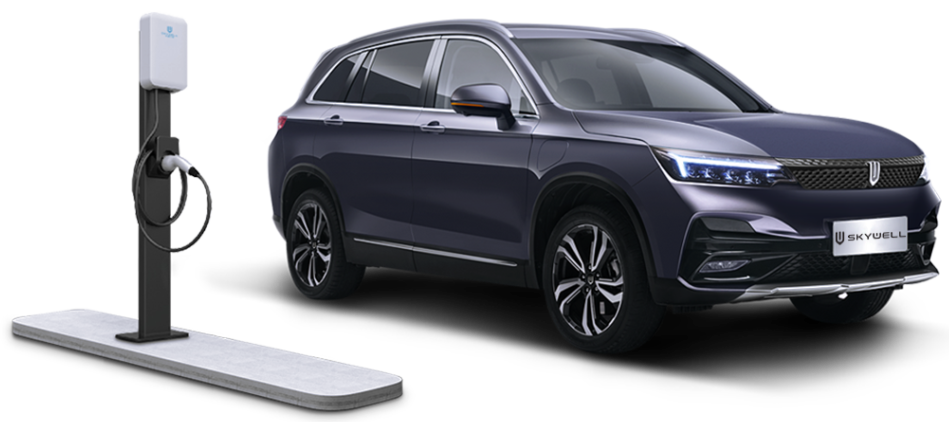
Under the new regulation, all vehicles equipped with advanced powertrains—including Battery Electric Vehicles (BEVs), range-extended electric vehicles, Plug-in Hybrid Electric Vehicles (PHEVs), and conventional hybrid vehicles—will be subject to a 100% import duty.
From an engineering and broader policy perspective, assigning the lowest tariff tier to these vehicles can be considered a positive development, as it encourages importers to select environmentally friendly vehicles equipped with the latest global technologies.
Range-extender technology, in which the gasoline engine functions solely as a generator to recharge the battery, is among the most advanced powertrain systems currently available. Its inclusion in this category indicates that the technical characteristics of modern powertrains have been taken into consideration by policymakers.
However, there is a highly significant negative aspect in this area. Imposing a 100% tariff on clean vehicles, while global markets generally apply tariffs of zero to 10% and, in some cases, provide direct purchase subsidies for such vehicles, is in complete contrast to international practices.
This high tariff means that the final price of an affordable electric vehicle for consumers may effectively reach roughly twice its actual value after import-related costs are taken into account. In practice, this creates significant economic barriers to achieving the goal of reducing urban air pollution through the expansion of clean vehicles.
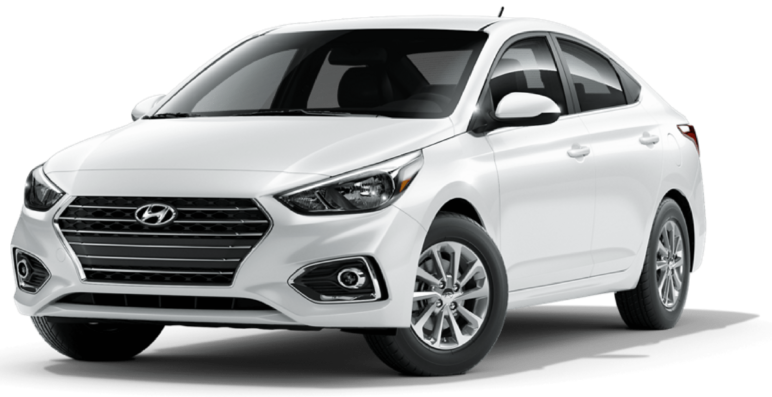
Classification of Gasoline Vehicle Tariffs Based on Engine Displacement
For vehicles equipped with internal combustion engines, policymakers have adopted a progressive tariff structure directly linked to engine displacement.
This structure reflects an attempt to control fuel consumption while also applying taxation based on vehicle value and performance.
Gasoline Vehicles Up to 1,500 cc
The most affordable category among gasoline-powered vehicles consists of models with engines of up to 1,500 cc, which are subject to an import duty of 110%.
Today, due to increasingly stringent emissions regulations in the global automotive industry, 1.5-liter turbocharged engines equipped with Gasoline Direct Injection (GDI) account for a significant share of the market in urban vehicles, compact sedans, and small crossovers.
A positive aspect of this classification is that the Iranian market could gain access to some of the world’s newest and most efficient internal-combustion engines, which offer high thermal efficiency and can help optimize national fuel consumption.
On the other hand, even at this lowest tariff level, a $20,000 economy vehicle, after additional costs such as municipal duties, value-added tax, scrappage fees, and other charges, could reach the consumer at a very high final price. This would effectively make such vehicles unaffordable for a significant portion of the middle class.
Gasoline Vehicles from 1,500 to 2,000 cc
Vehicles with engine displacement between 1,500 and 2,000 cc will be subject to a 120% import duty.
This category includes popular family sedans and midsize SUVs in global markets. Such vehicles are often equipped with more durable naturally aspirated engines rather than smaller turbocharged powertrains.
The 10-percentage-point increase in tariffs compared with the previous category places additional financial pressure on buyers seeking vehicles with lower long-term maintenance and depreciation risks.
From a technical perspective, a negative aspect of this tariff tier is that naturally aspirated two-liter engines are generally less sensitive to low-quality fuel and can offer greater durability. Nevertheless, Iranian consumers must pay an additional 10% tariff simply because of the engine’s displacement, despite the potential long-term durability advantages.
Tariff Structure for Large-Displacement and High-Performance Vehicles
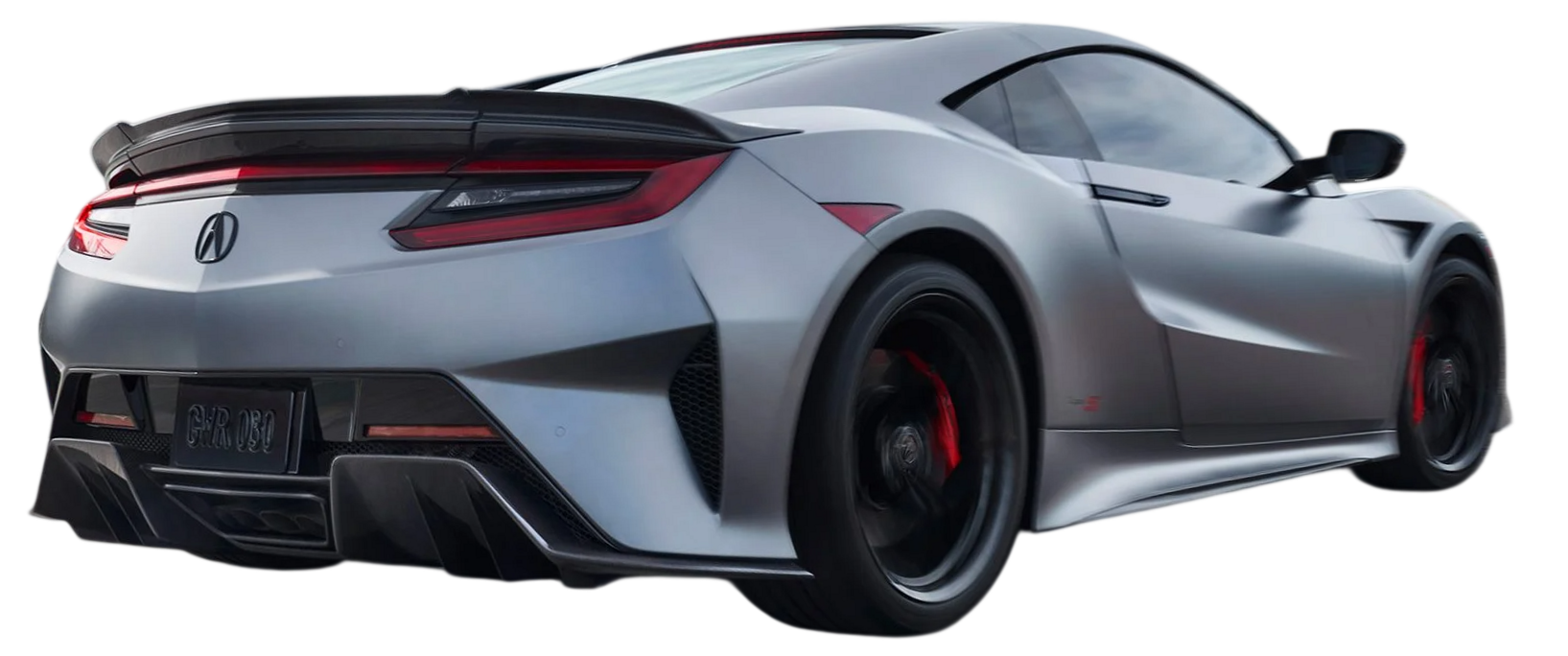
As engine displacement increases, the rate of increase in import duties becomes steeper. This will have a direct impact on the selection of imported vehicles in the semi-luxury and luxury segments and will further limit buyers’ available choices.
Engine Displacement from 2,000 to 2,500 cc
For vehicles in this category, the import duty rises to 130%.
Vehicles equipped with 2.5-liter engines generally include family-oriented all-wheel-drive crossovers and semi-luxury sedans from well-known Korean and Japanese brands.
From a technical standpoint, many automakers continue to use engines of this displacement to deliver adequate power, high torque, and reliable performance on mountainous and challenging roads.
The negative aspect of this tariff level is that buyers must pay a significantly higher price simply because the engine has an additional 500 cc of displacement, even though the vehicle’s comfort features and technology may not differ substantially from those in the lower tariff category. The steep tariff increase therefore does not necessarily correspond to the vehicle’s actual value.
Engine Displacement from 2,500 to 3,000 cc
For these more powerful engines, the government has imposed an import duty of 145%.
This category primarily includes naturally aspirated six-cylinder engines and high-output turbocharged four-cylinder engines. Such vehicles have traditionally had a dedicated customer base in Iran and are commonly used in executive vehicles, large sedans, and genuine off-road SUVs.
Applying such a high tariff effectively limits imports of these vehicles to a very small segment of society.
The positive aspect of this approach is that it can limit excessive foreign-currency outflows associated with high-consumption vehicles. At the same time, however, it severely restricts the choices available to consumers who require high power for specialized applications and off-road use, while undermining the economic rationale for importing such vehicles.
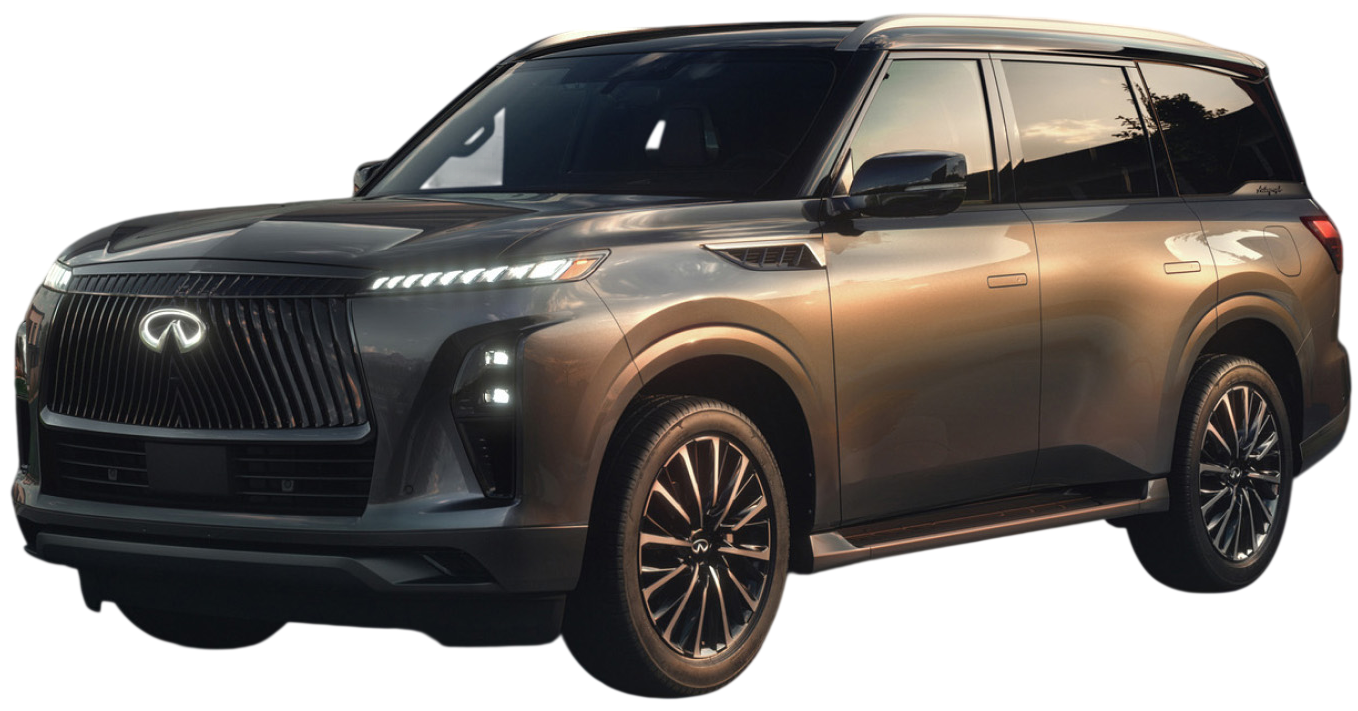
Luxury Vehicles and Engines Above 3,000 cc
The highest tariff rate stipulated in the directive applies to vehicles equipped with engines larger than 3.0 liters, which will be subject to a punitive 165% import duty.
This category, which includes full-size SUVs, specialized sports cars, and ultra-luxury sedans, will incur the highest customs costs.
From a macroeconomic policy perspective, one potential positive aspect is that imposing such a high tariff can substantially reduce the use of the automotive market as a platform for speculation in ultra-luxury goods. It also generates significant government revenue through taxes and duties on luxury imports.
However, the absence of a customs-value ceiling, combined with the 165% tariff, could drive the final market prices of these limited imported vehicles to astronomical and virtually unimaginable levels. This could, in turn, create psychological inflationary pressure in other segments of the automotive market.
Final Analysis of the Economic Implications Through the End of 2026
The precise determination of import duties for vehicles imported by Iranians residing abroad through the end of 2026 represents one of the most important economic signals for Iran’s volatile automotive market.
The most prominent positive aspect of this approach is that it puts an end to uncertainty and creates a clear three-year outlook for the market. This was particularly necessary to enable Iranians residing abroad and investors to transfer their assets in the form of vehicles with greater confidence and predictability.
On the other hand, an analytical review of the tariff data—which begins at 100% and rises as high as 165%—reveals a deep and structural negative aspect.
The tariff structure clearly demonstrates that policymakers continue to regard imported vehicles primarily as luxury goods and a source of government revenue.
Given these figures, it would be unrealistic to expect the entry of these vehicles to play a meaningful price-stabilizing role in the domestic automotive market or to cause locally assembled or domestically produced vehicles to become cheaper.
In reality, this regulation has primarily facilitated a legal, expensive, and highly restrictive channel for importing physical assets, without having a direct and meaningful impact on the purchasing power of the general population.
Import Duties for Vehicles Imported by Iranians Residing Abroad
| Vehicle Type / Engine Displacement | Import Duty |
|---|---|
| Fully electric (BEV) | 100% |
| Range-extended electric | 100% |
| Plug-in hybrid (PHEV) | 100% |
| Hybrid | 100% |
| Gasoline — up to 1,500 cc | 110% |
| Gasoline — 1,500 to 2,000 cc | 120% |
| Gasoline — 2,000 to 2,500 cc | 130% |
| Gasoline — 2,500 to 3,000 cc | 145% |
| Gasoline — above 3,000 cc | 165% |